How to clean quartz countertops
Quartz is non-porous and does not require sealing, but the resin binder that holds the stone particles together can be damaged by harsh chemicals. Knowing what to use and what to avoid keeps your surface looking new without extra effort.
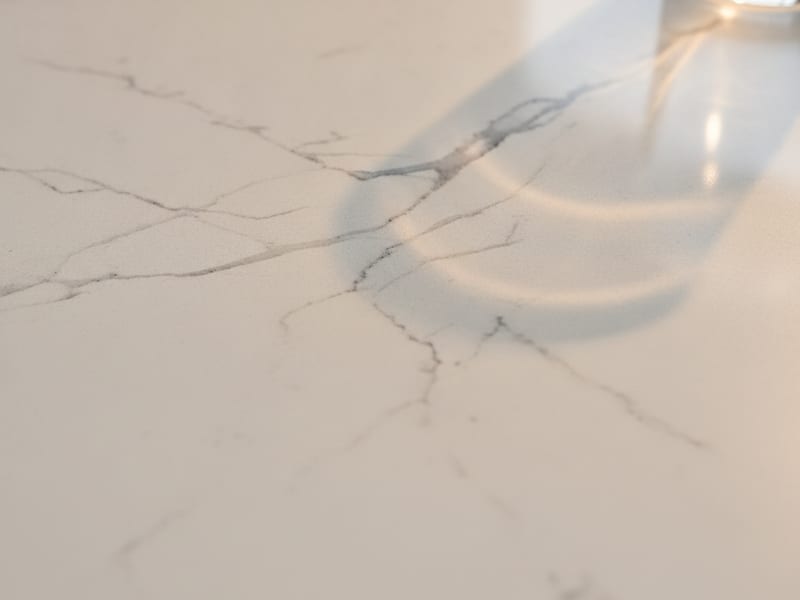
What you'll learn
- What cleaners are safe for quartz and which ones damage the resin
- How to remove common stains including coffee, oil, and wine
- Why you should avoid abrasive pads and bleach-based sprays
Step by step
- Daily cleaning. Wipe the surface with a damp cloth or a mild dish soap solution. Rinse with clean water and dry with a soft cloth. This handles food residue, oils, and everyday splashes without any risk to the surface.
- Remove dried food. Scrape dried food with a plastic putty knife or the edge of a credit card. Do not use metal scrapers, which can scratch the surface. Follow with a damp cloth wipe-down.
- Treat stains promptly. For coffee, juice, or wine spills, wipe immediately. For set stains, apply a small amount of isopropyl alcohol or a quartz-safe cleaner and let it sit for one to two minutes before wiping. Do not scrub hard.
- Avoid harsh chemicals. Keep bleach, oven cleaner, and products with high pH away from quartz. These can discolor or dull the resin binder over time. Also avoid acetone-based nail polish removers near the surface.
- Protect from heat. Use trivets or pot holders under hot pans. Direct sustained heat above 150 degrees Fahrenheit can discolor or crack the resin in quartz. This is the most common cause of preventable damage.
A microfiber cloth and warm water handle 90 percent of daily countertop cleaning without any product at all.
Rather have a pro handle it?
Same-day electrical service across San Diego County. A real electrician picks up.
Keep learning.
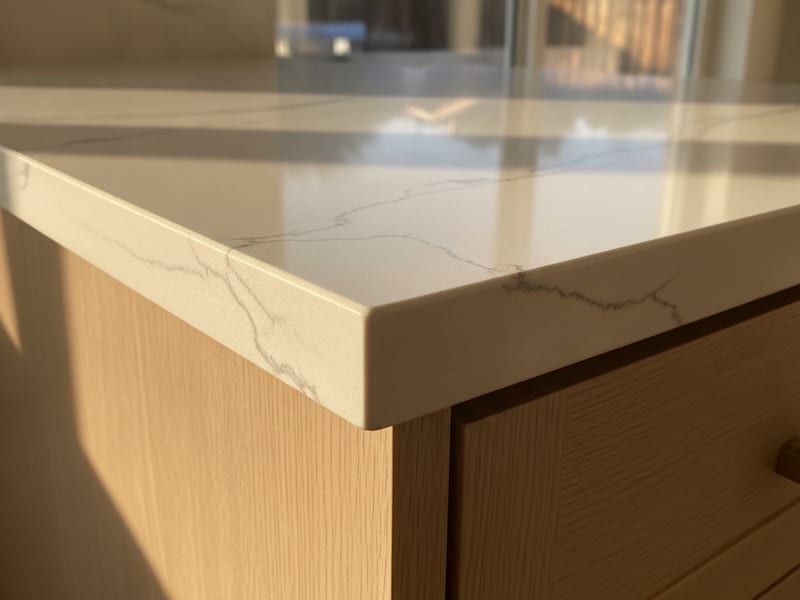
How to choose a countertop edge profile
The edge profile is one of the last decisions in the countertop selection process, and it has a bigger visual impact than most homeowners expect. Each profile sits at a different price point and fits different kitchen styles. Knowing the options before the fabricator appointment saves time and prevents defaulting to the first profile you see.
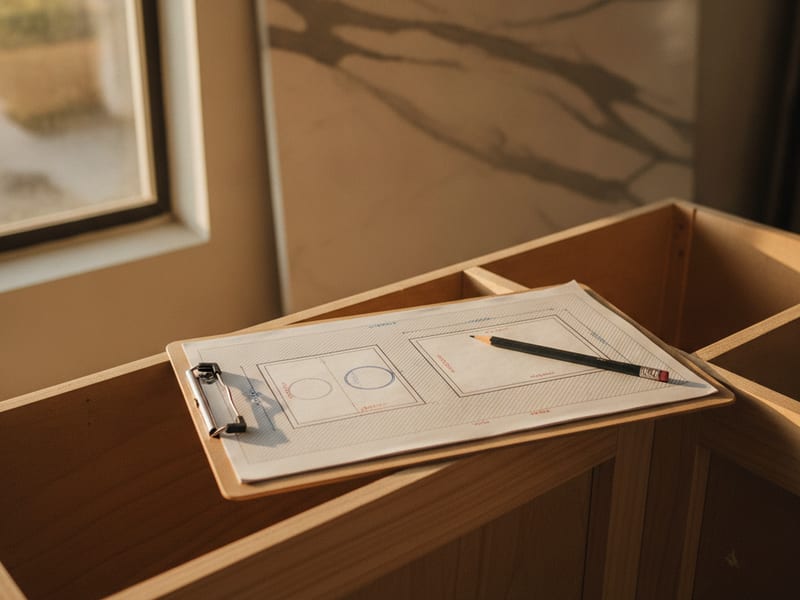
How to measure your kitchen for countertops
You do not need precise countertop measurements to get a ballpark quote, but understanding how fabricators measure helps you have a more productive first conversation. Accurate measurements prevent sticker shock when the formal quote arrives after templating.
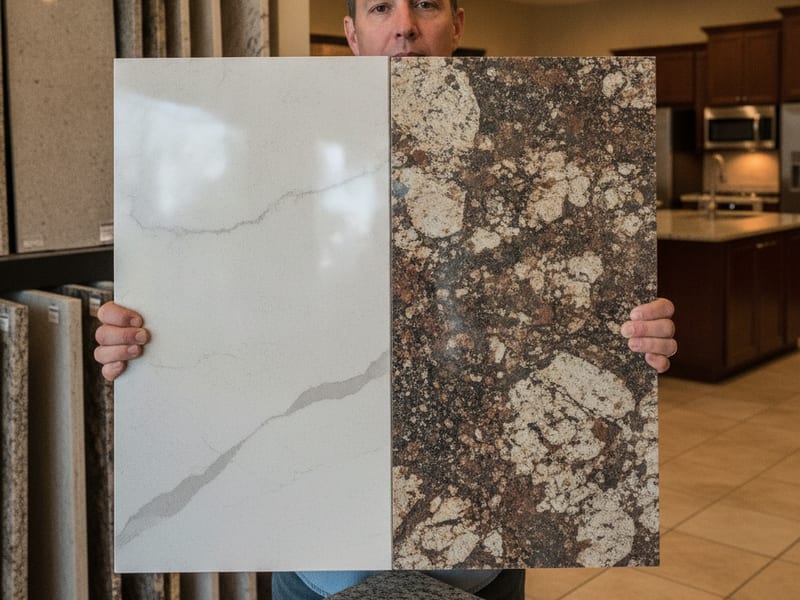
Quartz vs granite for your kitchen
Quartz and granite are the two most requested countertop materials in San Diego kitchen remodels. Both perform well, but they differ in ways that matter depending on how you cook and how much maintenance you want to take on. This guide covers the practical differences without the marketing spin.