Quartz vs granite for your kitchen
Quartz and granite are the two most requested countertop materials in San Diego kitchen remodels. Both perform well, but they differ in ways that matter depending on how you cook and how much maintenance you want to take on. This guide covers the practical differences without the marketing spin.
What you'll learn
- The key differences between quartz and granite in daily use
- Which material handles coastal San Diego humidity better
- How to compare costs accurately between the two materials
Step by step
- Compare maintenance requirements. Granite is a natural porous stone that absorbs liquids over time if not sealed. It requires resealing every one to three years depending on use. Quartz is engineered and non-porous, so it never needs sealing. If ongoing maintenance is a concern, quartz wins on convenience.
- Consider heat tolerance. Granite handles direct heat better than quartz because it is natural stone without resin. Quartz manufacturers recommend against putting hot pans directly on the surface because sustained heat above 150 degrees Fahrenheit can discolor or crack the resin binder. If you cook heavily with cast iron, granite is more forgiving.
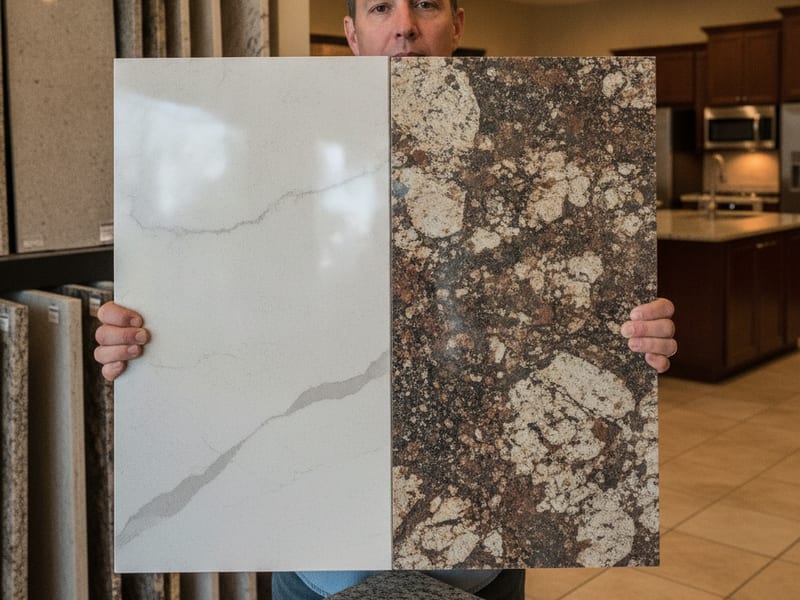
- Evaluate appearance tradeoffs. Quartz offers consistent patterning and color that does not vary slab to slab. Granite has natural variation - no two slabs look the same. Homeowners who want a predictable, uniform look tend to prefer quartz. Homeowners who want a unique natural look tend to prefer granite.
- Compare costs realistically. Entry-level quartz and granite are priced similarly, typically $55-$80 per square foot installed in the San Diego market. Premium quartz brands like Cambria run $100-$130 installed; high-grade exotic granites reach similar prices. The material price difference is less significant than most homeowners expect.
- Account for San Diego humidity. Coastal San Diego homes have consistent humidity from the marine layer. Unsealed or under-sealed granite in a high-humidity environment can absorb moisture over time. Quartz is non-porous and handles coastal humidity without any special treatment, which is one reason it is the more popular choice in coastal San Diego kitchens.
View full-size slabs of both materials at a slab yard before deciding. Countertop samples are too small to judge how the material reads across a full kitchen run.
Rather have a pro handle it?
Same-day electrical service across San Diego County. A real electrician picks up.
Keep learning.
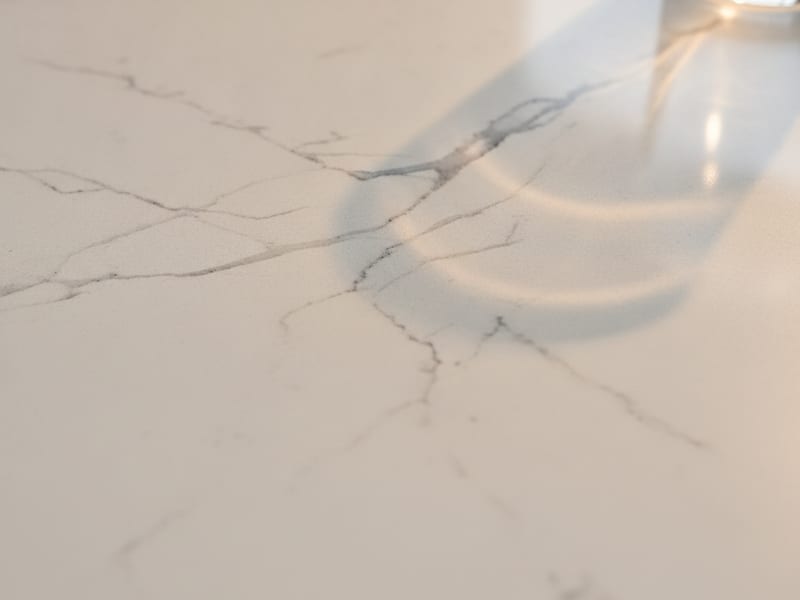
How to clean quartz countertops
Quartz is non-porous and does not require sealing, but the resin binder that holds the stone particles together can be damaged by harsh chemicals. Knowing what to use and what to avoid keeps your surface looking new without extra effort.
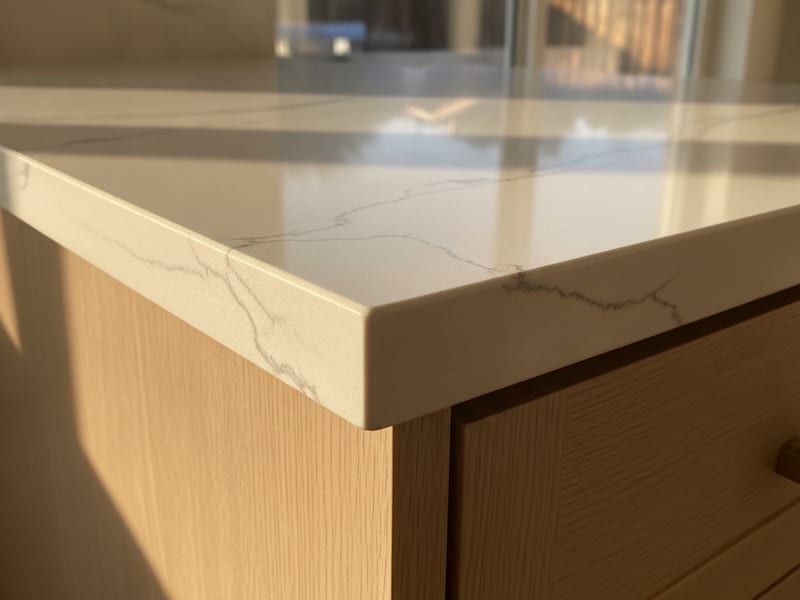
How to choose a countertop edge profile
The edge profile is one of the last decisions in the countertop selection process, and it has a bigger visual impact than most homeowners expect. Each profile sits at a different price point and fits different kitchen styles. Knowing the options before the fabricator appointment saves time and prevents defaulting to the first profile you see.
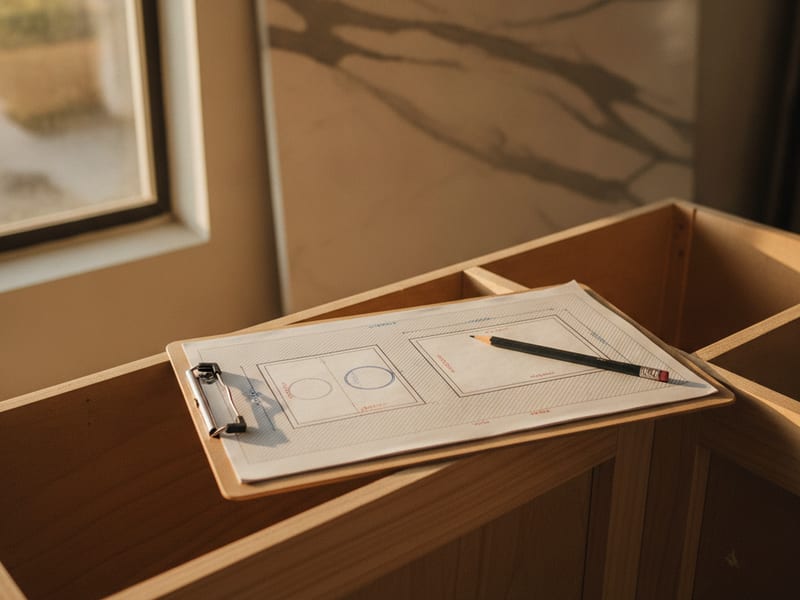
How to measure your kitchen for countertops
You do not need precise countertop measurements to get a ballpark quote, but understanding how fabricators measure helps you have a more productive first conversation. Accurate measurements prevent sticker shock when the formal quote arrives after templating.