How to measure your kitchen for countertops
You do not need precise countertop measurements to get a ballpark quote, but understanding how fabricators measure helps you have a more productive first conversation. Accurate measurements prevent sticker shock when the formal quote arrives after templating.
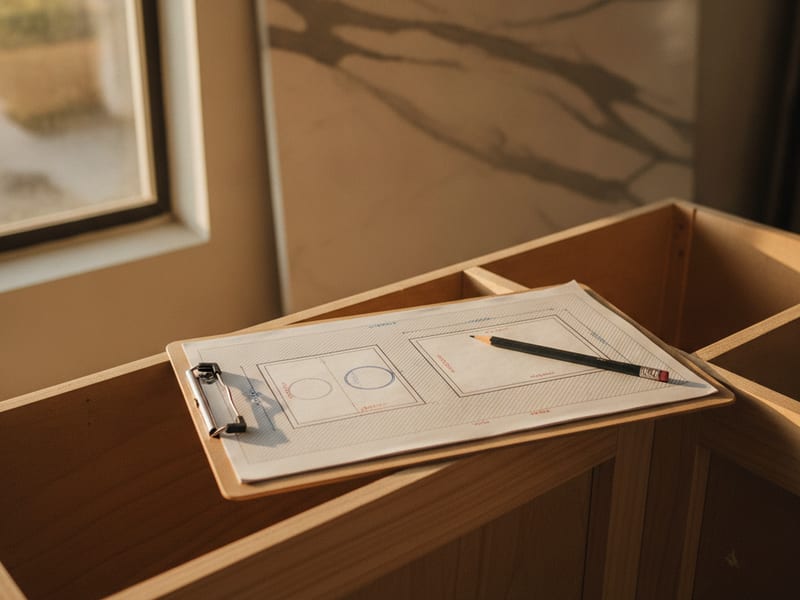
What you'll learn
- How to measure countertop runs and calculate approximate square footage
- What dimensions matter most for getting an accurate initial quote
- What fabricators measure during the formal template visit that you cannot capture at home
Step by step
- Measure the length of each run. Use a tape measure to record the length of each countertop section, measuring from wall to wall or to the edge of a cabinet run. Include any sections that turn a corner. Write down each measurement separately rather than adding them up yourself.
- Measure the depth. Standard countertop depth is 25 inches (24-inch cabinet plus 1-inch overhang). If your cabinets are non-standard, measure the actual cabinet depth and add 1 inch for the overhang. Measure at multiple points because older cabinets sometimes vary.
- Calculate rough square footage. Multiply the length in inches by the depth in inches for each section, then divide by 144 to get square feet. Add all sections together. Add 10-15 percent for waste and cutouts. This gives you a number to use for initial budget estimates.
- Note cutout locations. Mark where your sink and cooktop are on a rough sketch of the kitchen. Note the sink dimensions if you know them. Cutouts affect the slab layout and seam placement, so fabricators need this information during templating.
- Understand what the template visit captures. The formal template visit uses digital tools to capture dimensions that a tape measure cannot reliably reproduce: true right angles, subtle wall variations, and exact cutout center points. Your home measurements are for planning purposes; the template is the fabrication document.
Do not order countertop material based on your own measurements. Material should only be ordered after the fabricator completes the formal digital template.
Rather have a pro handle it?
Same-day electrical service across San Diego County. A real electrician picks up.
Keep learning.
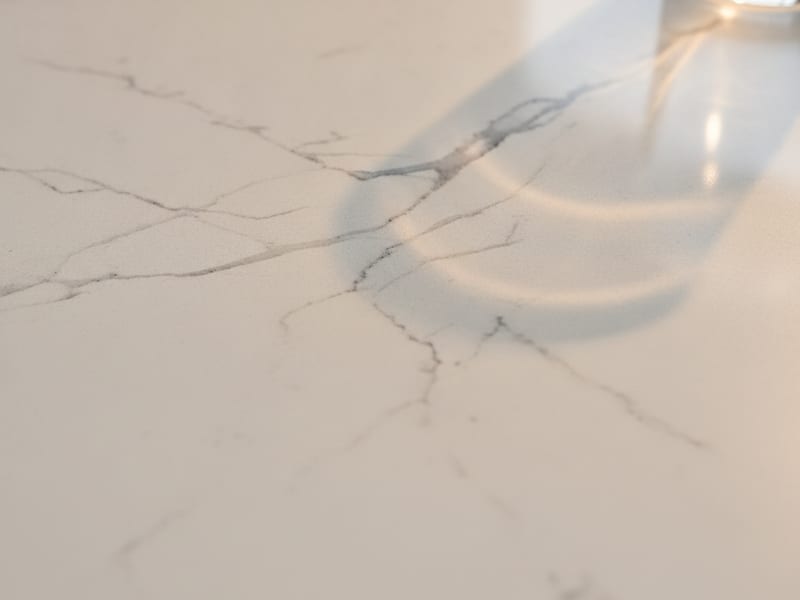
How to clean quartz countertops
Quartz is non-porous and does not require sealing, but the resin binder that holds the stone particles together can be damaged by harsh chemicals. Knowing what to use and what to avoid keeps your surface looking new without extra effort.
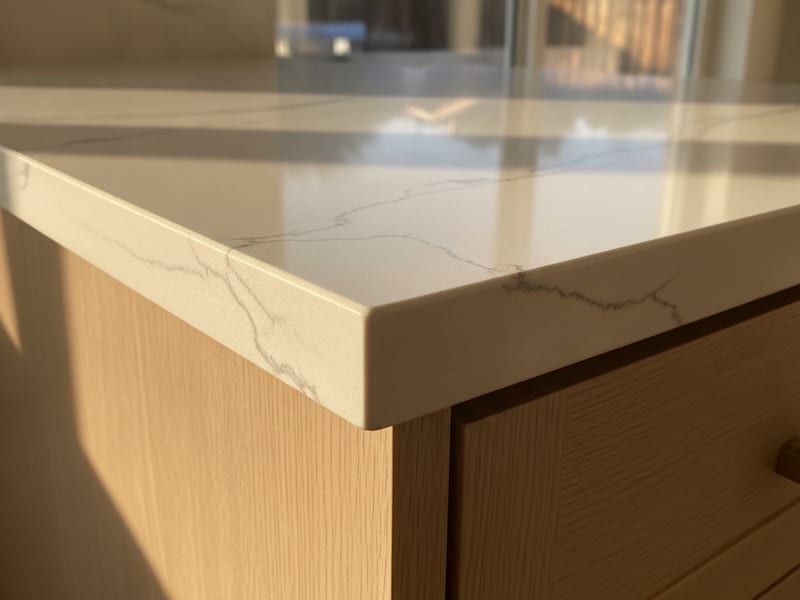
How to choose a countertop edge profile
The edge profile is one of the last decisions in the countertop selection process, and it has a bigger visual impact than most homeowners expect. Each profile sits at a different price point and fits different kitchen styles. Knowing the options before the fabricator appointment saves time and prevents defaulting to the first profile you see.
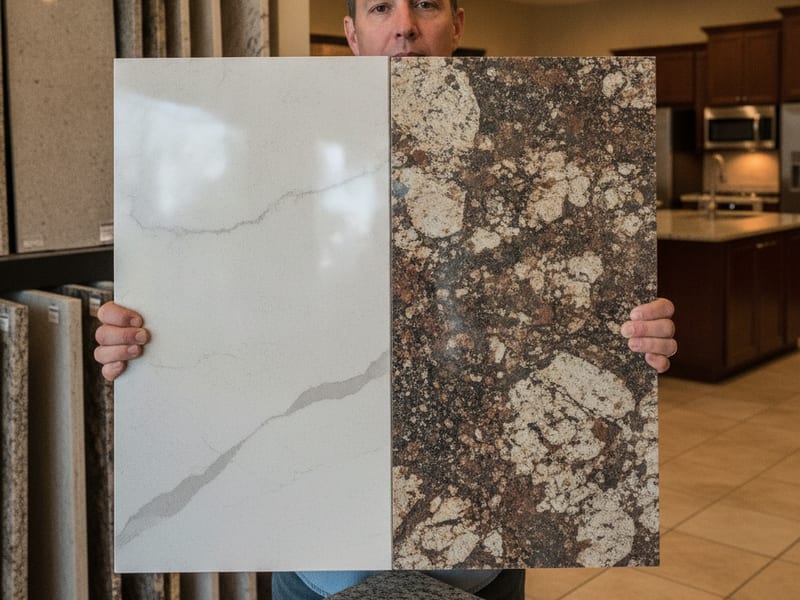
Quartz vs granite for your kitchen
Quartz and granite are the two most requested countertop materials in San Diego kitchen remodels. Both perform well, but they differ in ways that matter depending on how you cook and how much maintenance you want to take on. This guide covers the practical differences without the marketing spin.